


Garage Mini Split Installations That Work Year-Round

Why Garage Mini Split Installations Make the Space Usable Year-Round
A garage is often the most underused room in the house because the temperature swings are so extreme. A proper garage mini split installation can change that fast, turning a hot, cold, or damp garage into a space you actually want to spend time in, whether that means a workshop, home gym, office, hobby room, or organized storage area.
Compared with portable heaters and window units, a mini split for garage comfort is often more efficient and much easier to live with day to day. Portable equipment only treats a small area, creates noise, and often struggles in larger spaces, while a garage mini split system delivers targeted heating and cooling without blocking floors or windows. That matters in both attached and detached garages, because temperature swings can affect comfort, tools, electronics, paint, seasonal decor, and anything else you keep in the space.
For homeowners who want a garage that feels like part of the home instead of an afterthought, garage mini split installations are one of the most practical upgrades you can make.
Choosing the right garage mini split system for your layout
The best garage mini split system depends on more than square footage alone. Ceiling height, insulation quality, air sealing, climate, sun exposure, and how often the garage door opens all affect how hard the equipment has to work. A room with thin walls and a door that opens several times a day will need a different approach than a well-insulated garage used mostly as a workshop.
Equipment choice also matters. A single-zone system is usually the right fit for one garage space, while a multi-zone setup makes sense if the garage is part of a larger project with more than one conditioned area. Indoor unit style matters too, especially if you are deciding between a wall-mounted head and a ceiling-mounted option. Homeowners should pay closest attention to heating and cooling performance, efficiency ratings, noise levels, and warranty coverage so the garage ductless mini split is a good match for long-term use.
- Single-zone vs. multi-zone: Choose one zone for a standalone garage, more zones only when the project truly needs separate rooms.
- Wall-mounted vs. ceiling-mounted: Wall units are common and simple, while ceiling-mounted units can work better when wall space is limited.
- Efficiency ratings: Better ratings often mean lower operating costs over time.
- Warranty coverage: A solid warranty can add peace of mind after installation.
The BEST price in the USA on total Mitsubishi Mini Split installation — by true specialists!
Our Pro Team is Ready,
Get Started Today!
Sizing a Mini Split For Garage Square Footage
Getting the size right is one of the most important parts of choosing a mini split for garage use. The system should match the garage dimensions and insulation level closely enough to avoid short-cycling or running nonstop just to keep up. Climate, sun exposure, and frequent garage door use can all increase the capacity needed, especially in spaces that are barely insulated or used every day. A BTU calculator can be a helpful starting point, but the final sizing should still account for insulation, air leakage, and how the garage is actually used.
Where a garage ductless mini split works best
Placement affects performance as much as size. A garage ductless mini split works best when the indoor unit has clean airflow, the outdoor unit has service access, and the line-set route is short and practical. Before installation, it is smart to plan for condensate drainage, noise, wall clearance, and a location that will not get blocked by storage, vehicles, or equipment.
What a mini split installer checks before the job begins
A skilled mini split installer for garage work starts by looking at the space itself, not just the equipment specs. Insulation, air sealing, and garage door gaps all influence how well the system will perform, because even a high-quality unit can struggle in a space that leaks air heavily. This is also the time to look at how the garage is actually used, since workshops, gyms, and storage areas tend to have different comfort needs.
Next comes the practical side of the project. The installer needs to confirm electrical capacity, breaker requirements, and the safest route for refrigerant lines and drain piping. Local code requirements, mounting surfaces, and placement options should also be reviewed before work begins so the job does not run into delays or rework halfway through. A good garage HVAC mini split installation is planned around the space first, then the equipment.
- Insulation check: Helps determine whether the garage can hold conditioned air efficiently.
- Air sealing review: Reduces drafts around doors, windows, and wall penetrations.
- Electrical assessment: Confirms the panel can support the new load.
- Line-set planning: Keeps the refrigerant route clean and code-compliant.
- Mounting review: Makes sure the wall or ceiling can support the indoor unit safely.
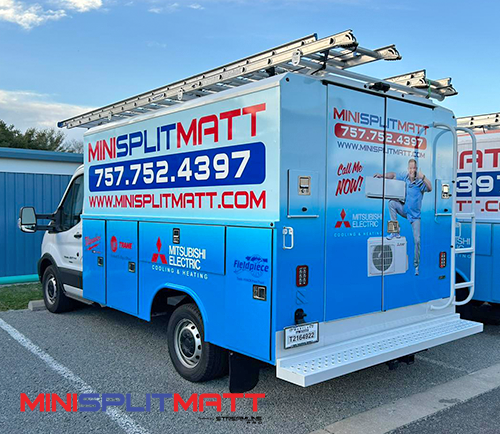
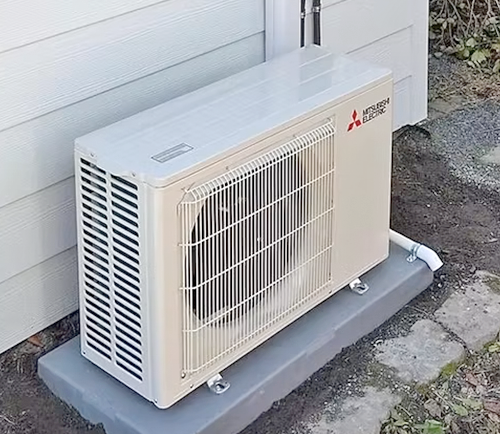

RATED #1 INSTALLER IN YOUR AREA
Expert Ductless Mitsubishi Mini Split installation
Mitsubishi Ductless Mini Split heating and cooling systems are an affordable way to add temperature control solutions to your home. Get rid of that window unit! Want to turn your shed into a workshop? Need better cooling for the front room over your garage? Make your sun room a comfortable space year round! Mini Split Ductless Heat Pump Systems are the cost-effective solution to all your heating and cooling needs.

Our Customers Rate Us 5 Stars!
Electrical Prep for a Garage HVAC Mini Split
Most garage HVAC mini split projects need proper electrical planning before installation starts. In many cases, that means a dedicated circuit or confirmation that the panel has enough capacity for the new equipment. Safe electrical prep helps the system run reliably and can prevent delays, surprises, and unnecessary changes once the job is underway.
How to install a mini split in a garage, step by step
When homeowners ask how to install a mini split in a garage, the answer is usually a mix of planning, mechanical work, and code compliance. The process is straightforward for a trained professional, but each step matters if you want the system to heat and cool effectively for years.
- Start with a site check. Measure the garage, review insulation, confirm power availability, and choose the best placement for both the indoor and outdoor units.
- Finalize system sizing. Match capacity to the garage layout, climate, ceiling height, and how often the door opens.
- Mount the equipment. Secure the indoor head or ceiling unit, then set the outdoor condenser on a proper pad or bracket with enough clearance for airflow and service.
- Run the line set and drainage. Connect refrigerant lines, condensate drainage, and electrical components with careful attention to slope, protection, and local code.
- Evacuate, charge, and test. Pull a proper vacuum, charge the system as required, then test heating, cooling, airflow, and thermostat response to make sure everything is operating correctly.
Professional garage mini split installation matters because it protects performance as much as it protects the equipment itself. When the work is sized, installed, and tested correctly, the system is more likely to stay efficient, keep the garage comfortable, and make future service easier if anything ever needs attention later.
Warranty, licensed installation, and long-term maintenance
After garage mini split installations are complete, homeowners usually want confidence that the system will hold up. A verified warranty or guarantee can provide that peace of mind, especially when the installation is handled by a licensed and insured contractor. That combination helps protect the project from preventable mistakes and gives you a clearer path if service is ever needed.
Long-term maintenance is simple, but it should not be ignored. Clean the filters regularly, keep the outdoor unit free of leaves, dirt, and stored items, and schedule periodic service so the system stays efficient. For more practical upkeep guidance, see these mini split cleaning tips. A little upkeep goes a long way toward preserving comfort and avoiding surprise problems, especially in a garage that sees frequent dust, vehicle use, or big seasonal temperature changes.
If you want a garage mini split system that feels dependable from day one, the quality of the installer matters as much as the equipment brand.
ABOUT OUR COMPANY
Why Choose Mini Split Matt?

Mitsubishi Certified
Garage Mini Split Installation FAQs
Before booking a garage mini split installation, most homeowners want quick answers about performance, sizing, and local requirements. If you are still comparing options, our mini split questions page covers more of the basics. These are the questions that come up most often.
Can a mini split heat and cool a garage?
Yes, the right mini split for garage use can provide both heating and cooling in one system. Performance depends on proper sizing, insulation, and whether the garage is attached, detached, or exposed to a lot of outside air.
What size garage mini split system do I need?
The right garage mini split system depends on square footage, insulation, climate, and how often the garage door opens. A professional can help avoid undersizing or oversizing so the system runs efficiently and keeps the space comfortable.
Do garage mini split installations require permits?
Many garage mini split installations involve electrical and mechanical work that may require permits depending on local rules. A licensed and insured installer should check the requirements before starting the job so the project stays on track.
Why hire a licensed and insured mini split installer for garage work?
A qualified mini split installer for garage projects can handle sizing, placement, wiring, and system testing correctly. Licensed and insured service helps reduce risk and supports a cleaner, more reliable installation outcome.
Talk to a garage mini split installer who knows the space
If your garage is too hot in summer, too cold in winter, or just uncomfortable to use, the right system can make a real difference. For help planning garage mini split installations, reach out to Mini Split Matt and talk through your layout, comfort goals, and installation options with a team that is licensed, insured, and focused on doing the job right.

What Our Happy Customers Are Saying
 From start to finish, Mini Split Matt delivered a truly superior experience. Trey, Brandon, and Clay arrived with professionalism, precision, and a clear commitment to excellence. What impressed me most was the seamless process—every step was clearly communicated, expertly guided, and executed without a single surprise. The quote was provided upfront, and they honored it fully, which speaks volumes about their integrity. They transformed a less-than-ideal situation into a highly satisfying solution, exceeding expectations at every turn. Their deep knowledge of Mitsubishi mini split systems, combined with fast, efficient service, made the entire installation feel effortless. The team’s attention to detail and respect for my home were evident throughout. Mini Split Matt isn’t just a service provider—they’re a model of how HVAC support should be done. Their support structure, responsiveness, and technical expertise are second to none. If you're in Tampa and considering a mini split system, this is the team to trust. They go above and beyond, and I can't recommend them highly enough.